
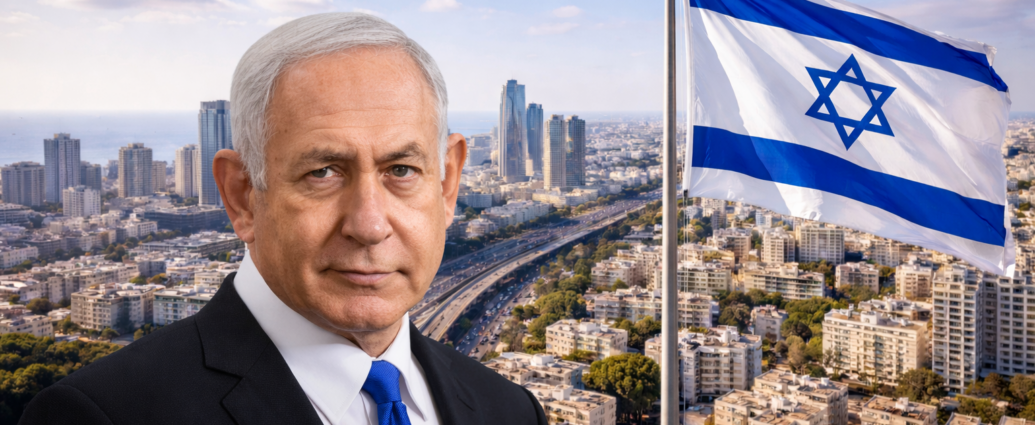
Israel remains at the center of ongoing geopolitical tensions as its fragile ceasefire with Hamas faces repeated challenges, raising concerns about long-term stability in the region.
Recent Israeli airstrikes in Gaza have resulted in casualties and renewed accusations of ceasefire violations from both sides. Israeli officials said the strikes were conducted in response to perceived militant activity, while Palestinian authorities and humanitarian groups condemned the attacks as violations of the truce.
Despite diplomatic efforts led by international mediators, negotiations over a permanent ceasefire and the release of hostages have proven difficult. Talks have focused on securing guarantees for Israel’s security and addressing humanitarian and governance issues in Gaza.
At the same time, the humanitarian situation in Gaza remains severe. Widespread infrastructure damage, high unemployment and limited economic activity have left many residents struggling to meet basic needs. Aid organizations warn that reconstruction efforts remain slow and uncertain due to ongoing security concerns and political complications.
Healthcare facilities have also been affected by the conflict. Some medical organizations have reported suspending non-critical services due to security threats and the presence of armed groups near hospitals, further complicating access to care for civilians.
Meanwhile, Israel’s domestic economy has shown signs of recovery following the intense conflict period. Economic growth rebounded in 2025, driven in part by increased investment, exports and government spending, though analysts warn that continued instability could affect future projections.
Internationally, the conflict remains a central focus of diplomatic efforts. Governments and international organizations continue to push for a lasting ceasefire, the release of hostages and the safe delivery of humanitarian aid.
The situation remains fluid, with both military developments and diplomatic negotiations shaping the future of the region. For Israel and its neighbors, the challenge ahead lies in balancing security concerns with the urgent need for stability and reconstruction.