
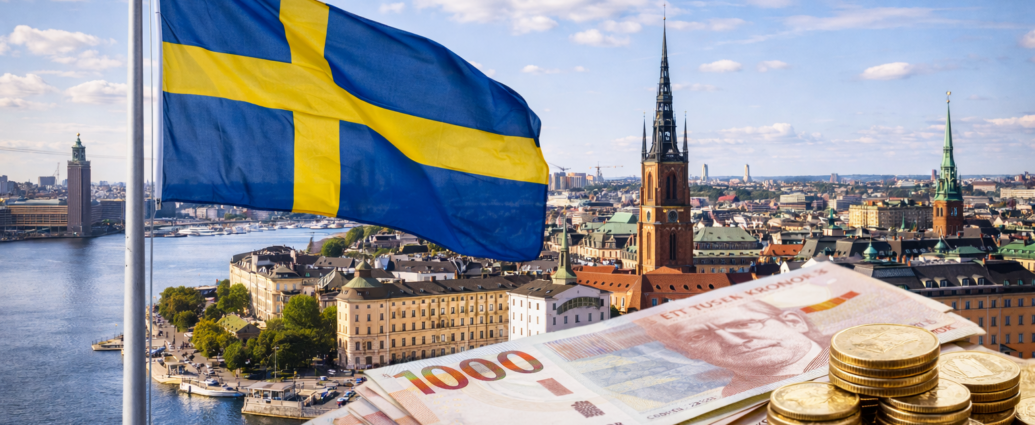
Sweden has significantly increased its voluntary return migration grant to as much as 350,000 kronor per person, marking one of the country’s most substantial policy shifts in migration management in recent years. The measure aims to encourage migrants who are unable or unwilling to remain in Sweden long-term to return voluntarily to their countries of origin.
The increased financial support is part of broader efforts by Swedish authorities to manage migration flows and support voluntary repatriation programs. Officials say the policy is designed to offer individuals the opportunity to rebuild their lives elsewhere while reducing pressure on Sweden’s social and integration systems.
However, the grant is not available to everyone. Applicants must meet specific criteria, including holding certain types of residence permits or being in defined legal categories. The program primarily targets individuals who face limited prospects for permanent residency or long-term integration.
Government representatives have described the increased grant as a pragmatic tool that combines humanitarian considerations with migration policy objectives. Voluntary return programs are often viewed as more humane and cost-effective alternatives to forced deportation.
The policy has sparked debate across Sweden. Supporters argue that the program offers dignity and choice, allowing individuals to leave on their own terms while receiving financial assistance. Critics, however, question whether financial incentives alone address the complex social, economic and personal factors influencing migration decisions.
Migration researchers note that similar programs exist in several European countries, though Sweden’s recent increase places it among the more generous schemes currently available.
As Sweden continues to adjust its migration policies in response to domestic and international pressures, the expanded return grant highlights the government’s evolving approach to balancing humanitarian responsibility, economic sustainability and social integration.
Whether the higher payments will significantly increase voluntary departures remains to be seen, but the policy represents a clear shift in Sweden’s migration strategy.