
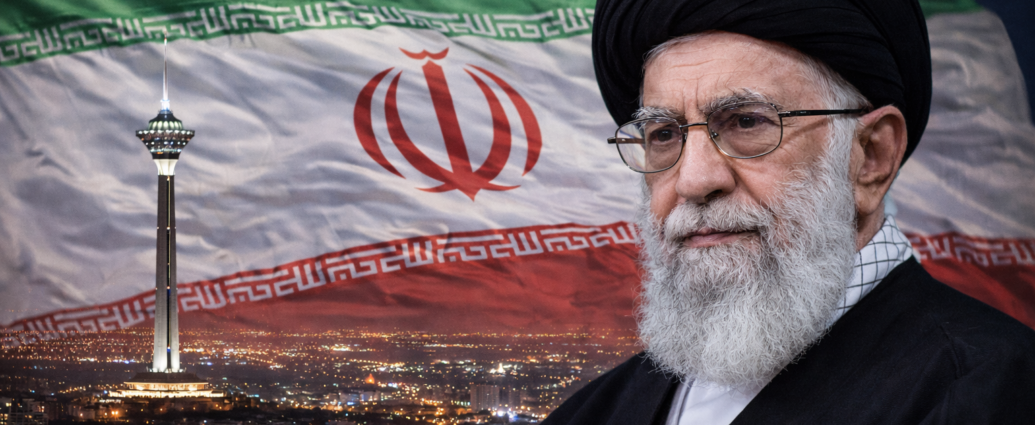
TEHRAN, 1 March 2026 — Iran’s Supreme Leader Ayatollah Ali Khamenei has been killed following large-scale military strikes involving U.S. and Israeli forces, according to official reports and international news agencies.
The strikes, described as some of the most ambitious attacks on Iran in decades, targeted key locations across the country and resulted in the death of the long-time Iranian leader.
Ayatollah Khamenei, who had ruled Iran since 1989, was one of the most powerful figures in the Middle East. His leadership shaped Iran’s political, military and religious direction for more than three decades. He played a central role in Iran’s confrontations with Western countries, particularly the United States and Israel.
The death has triggered strong reactions both inside Iran and internationally. Some reports describe scenes of mourning among supporters, while others indicate political uncertainty as the country prepares for a leadership transition.
Iranian authorities have begun activating leadership succession mechanisms. According to reports, senior cleric Alireza Arafi has been appointed to Iran’s Leadership Council, a temporary body responsible for overseeing the transition until a new Supreme Leader is selected.
The killing of Khamenei marks a turning point in Middle East geopolitics. Analysts warn that the development could lead to increased tensions, regional instability, and potential escalation involving multiple countries.
International leaders have called for caution, while military and political responses continue to unfold across the region.
The situation remains fluid, with global attention focused on Iran’s next steps and the potential consequences for regional and international security.