Deep within the world’s largest rainforests, Indigenous communities continue to live in ways largely unchanged for centuries. From the Amazon Basin in South America to the Congo rainforest in Africa and the jungles of Papua New Guinea, these societies maintain cultural traditions closely tied to their natural environment.
4
The Amazon Rainforest: Largest Concentration of Indigenous Peoples
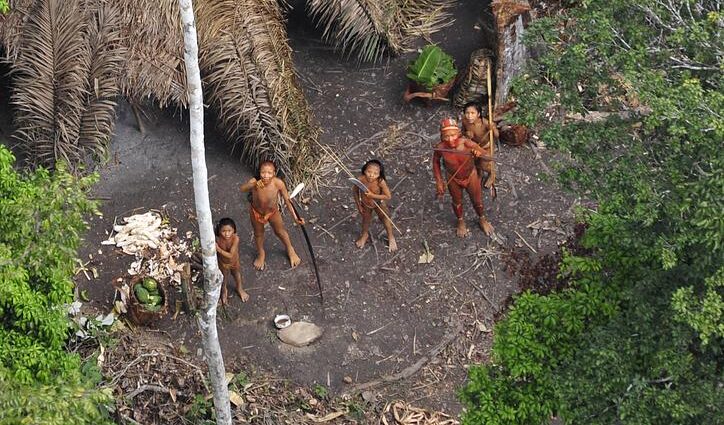
The Amazon rainforest is home to more than 400 Indigenous groups, with an estimated population of around one million people. Some communities maintain limited contact with the outside world, while others remain completely isolated.
These groups rely on hunting, fishing, and small-scale agriculture for survival. They grow crops such as cassava, bananas, and maize, and use natural materials to build homes and tools. Their knowledge of the forest includes medicinal plants, animal behavior, and sustainable land management practices developed over generations.
Brazil has the largest number of isolated tribes in the world, with government agencies working to protect their territories from illegal logging and mining.
Congo Basin: Africa’s Indigenous Forest Communities
In Central Africa, the Congo Basin rainforest is home to Indigenous peoples such as the Mbuti, Baka, and Aka. These communities traditionally live as hunter-gatherers, relying on forest ecosystems for food, shelter, and cultural practices.
The forest is not only a source of survival but also a central part of spiritual belief systems. However, deforestation, conservation restrictions, and economic development have disrupted traditional lifestyles.
Papua New Guinea: Cultural Diversity in Isolation
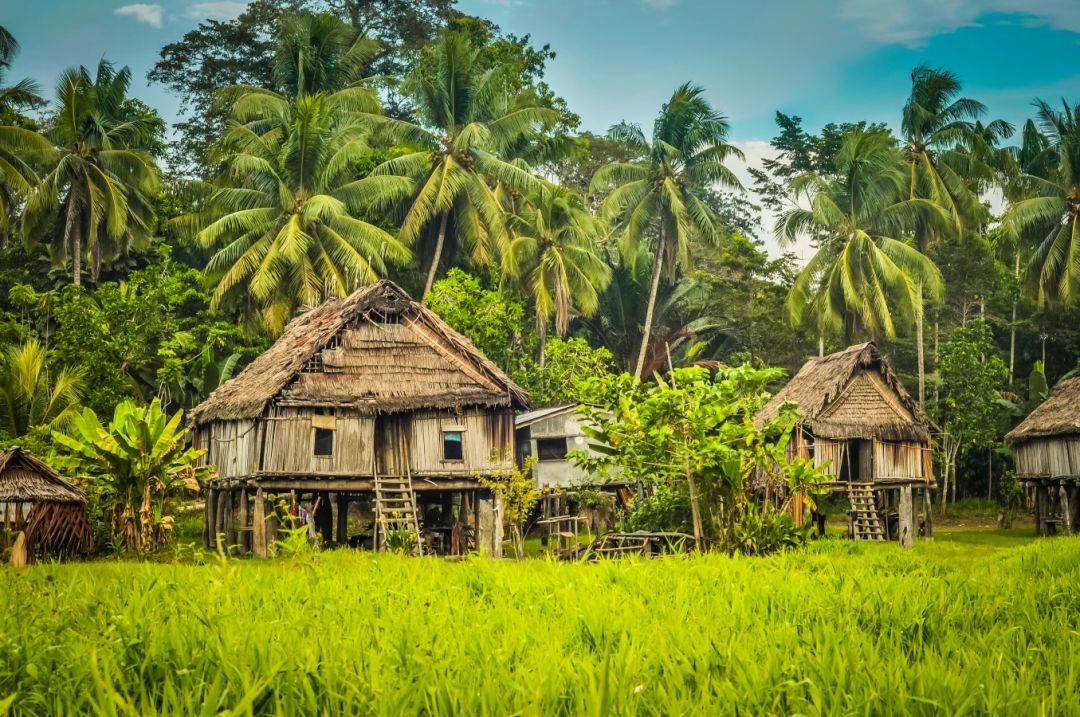
Papua New Guinea contains some of the most culturally diverse Indigenous populations on Earth, with over 800 languages spoken. Many tribes live in remote jungle regions, maintaining unique traditions, ceremonies, and governance systems.
Isolation has preserved cultural identity, but modernization and resource extraction have introduced new challenges.Threats to Jungle Communities
Despite their resilience, jungle communities face increasing pressure from external forces:
- Deforestation
- Mining and oil extraction
- Climate change
- Illegal logging
- Infrastructure development
These activities threaten both ecosystems and cultural survival.
Experts warn that protecting Indigenous land is one of the most effective ways to preserve rainforest ecosystems. Studies show that forests managed by Indigenous communities often experience lower rates of deforestation.
Global Importance
Indigenous jungle communities represent not only cultural diversity but also critical environmental stewardship. Their traditional knowledge contributes to biodiversity conservation and climate stability.
International organizations and governments continue to debate how best to protect these communities while respecting their autonomy and rights.
As global environmental and economic pressures increase, the future of the world’s remaining jungle societies remains uncertain — but their role in preserving both culture and ecosystems remains vital.