
Malmö, Sweden’s third-largest city, has quietly become one of the country’s most important urban laboratories — a place where questions about migration, sustainability, and economic transformation converge.
Once known primarily as an industrial port, Malmö has undergone a striking reinvention over the past two decades. The city has shifted from heavy manufacturing toward knowledge industries, education, and sustainable urban development. The presence of Malmö University and its proximity to Copenhagen — linked by the Öresund Bridge — have helped position the city as a regional hub within Scandinavia.
Today, Malmö represents both opportunity and challenge. It is one of Sweden’s most diverse cities, with residents tracing roots to more than 170 countries. This diversity has enriched the city’s cultural life, from cuisine and arts to entrepreneurship. At the same time, it has intensified national conversations about integration, housing, and social cohesion.
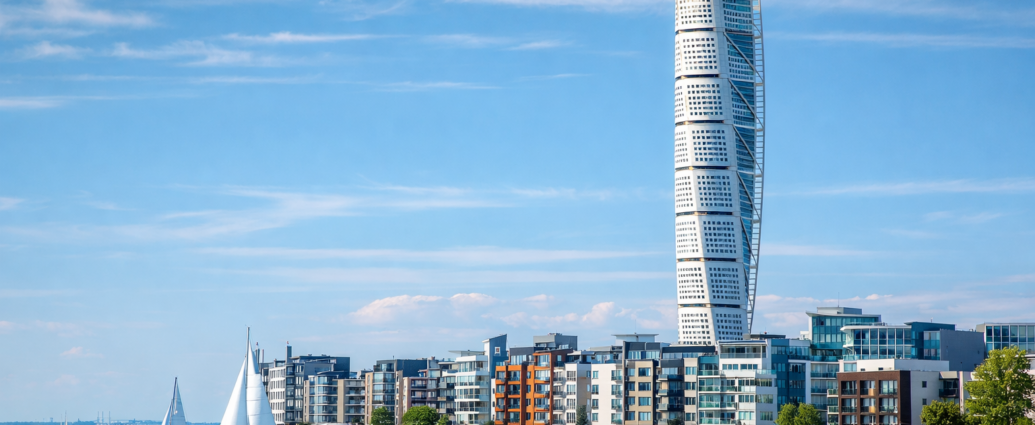
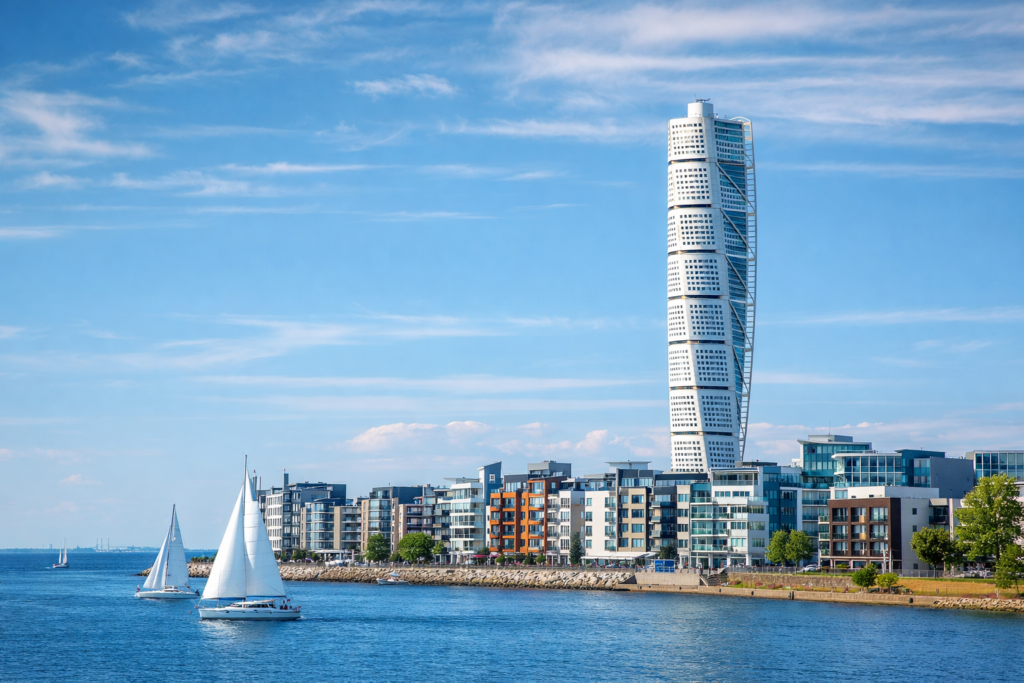
Urban planners frequently point to Malmö’s environmental initiatives as a model for sustainable living. Districts such as Västra Hamnen showcase energy-efficient architecture, green public spaces, and climate-conscious infrastructure. The city has committed to ambitious carbon-reduction targets, reflecting Sweden’s broader environmental priorities.
Economically, Malmö is increasingly defined by innovation. Start-ups in technology, design, and creative industries are reshaping the local job market. Cross-border cooperation with Denmark continues to expand employment opportunities, reinforcing Malmö’s role as a gateway between Sweden and continental Europe.
Yet rapid change brings pressure. Housing shortages, economic inequality, and debates over public safety remain central issues for policymakers. Local authorities face the ongoing task of balancing growth with social stability — a challenge shared by many European cities.
Malmö’s trajectory offers a glimpse into Sweden’s urban future. It is a city experimenting with new models of sustainability, multiculturalism, and economic adaptation. How Malmö navigates these transitions will likely influence national policy discussions for years to come.
For observers of Swedish society, Malmö stands as a reminder that cities are not static. They evolve, absorb global forces, and reflect the tensions and aspirations of the societies around them. In that sense, Malmö is more than a regional center — it is a living case study of modern Sweden in motion.