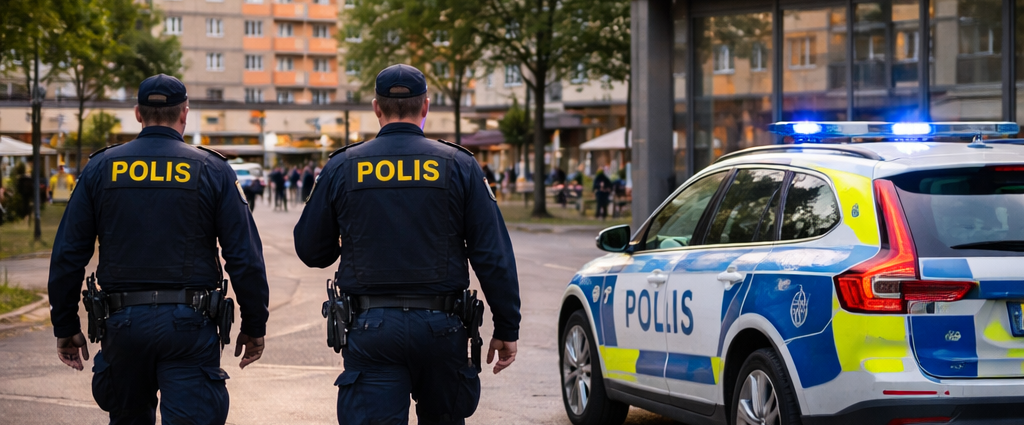
Rosengård remains one of Malmö’s most closely monitored districts, as police and local authorities continue efforts to address crime and improve public safety.
In recent months, police presence in the area has remained visible, with patrol vehicles frequently seen in residential streets and near public transport hubs. Authorities say the increased visibility is part of ongoing preventive measures rather than a response to a specific major incident.
Police officials emphasize that their work focuses on maintaining safety, preventing crime and strengthening relationships with the community. Community policing programs and cooperation with local organizations remain central to this approach.
Residents have reported a mixed perception of safety. While some say they feel secure during daily activities, others express concern about isolated incidents such as vandalism, disturbances or suspected criminal activity. Authorities note that public perception does not always reflect broader statistical trends, but acknowledge the importance of addressing community concerns.
Malmö has experienced periods of crime challenges in certain urban districts, including Rosengård, over the past decade. In response, the city has invested in social programs, youth outreach and urban development initiatives aimed at reducing long-term risk factors associated with crime.
Experts point out that crime trends are influenced by multiple factors, including economic conditions, education access and social stability. Local and national authorities continue to monitor developments closely.
Despite its reputation, Rosengård is also home to thousands of residents whose daily lives center on work, education and family. Authorities stress that continued cooperation between police, residents and community organizations is essential for maintaining long-term safety.
The situation in Rosengård remains under regular observation, with officials committed to ensuring stability and public security across the district.