
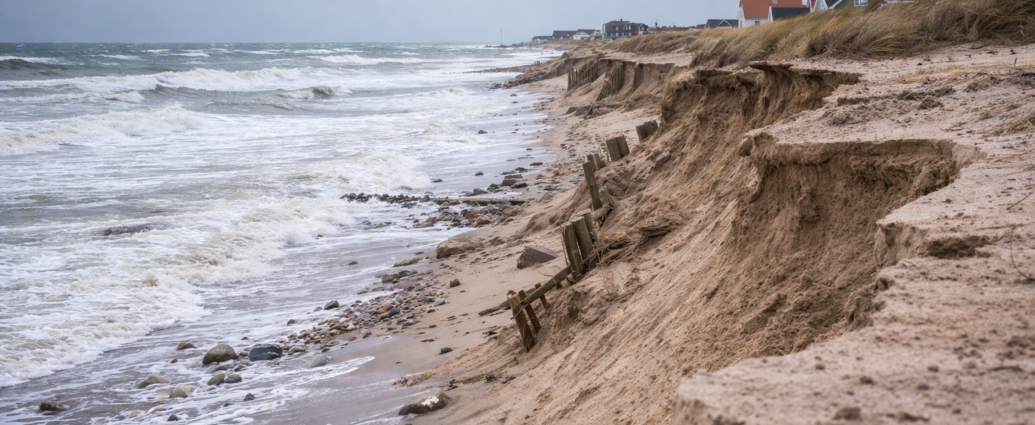
The iconic sandy beaches of the Falsterbo peninsula in southern Sweden are increasingly under threat from the effects of climate change, as rising sea levels, stronger storms and coastal erosion reshape one of the region’s most treasured coastal landscapes.
Falsterbo and the neighbouring town of Skanör sit on a low, sandy spit in southwestern Skåne that historically has been vulnerable to flooding. Scientists warn that climate change will exacerbate these conditions, as the combination of sea-level rise and increased storminess raises water levels and wave impact on the coast.
Climate Change Meets Low Land
The Falsterbo peninsula is largely only a few metres above sea level, and much of its built environment sits below 3 metres. As global temperatures increase, researchers estimate that by 2100 sea levels in the region could rise by up to a metre — and when combined with wind-driven wave run-up, the effective water height along the coast could be even higher, posing significant threats to both natural and human systems.
Coastal erosion is particularly pronounced. Sand dunes that once protected the beaches are slowly being worn away by wave action and storm surges, putting recreational beaches, habitat areas and beachfront infrastructure at risk.
Residents and observers have documented dramatic shoreline retreat in recent winters, as storm waves batter the sand and remove metres of coastline, sometimes erasing entire segments of beach or pushing seaside structures back from the waterline.
Economic and Environmental Stakes
The economic value of property and infrastructure in the Falsterbo/Skanör area is high. Some estimates suggest that real estate values alone in the peninsula exceed tens of billions of kronor — meaning that the financial stakes of climate impacts are substantial.
The region’s natural ecosystems are also at risk. Nature reserves and protected areas such as Måkläppen, a shifting sandbank and wildlife haven, are shaped by winds and currents and inherently dynamic. Rising seas and altered sediment transport patterns could harm bird habitats and other ecologically valuable zones.
Adaptation and Debate
Local authorities have begun planning climate adaptation measures. Vellinge Municipality has commissioned detailed climate protection plans and, in partnership with engineering firms, is exploring flood barriers, dune reinforcement and coastal defence structures to protect places like Skanör-Falsterbo, Ljunghusen and Höllviken from future inundation.
However, these plans are not without controversy. Discussions about protective walls and embankments have raised concerns about impacts on natural landscapes and access, and legal challenges have arisen over where defences can be built, especially near Natura 2000 protected areas.
Looking Ahead
As climate change progresses, Falsterbo’s beaches will continue to be on the front lines of environmental change in Sweden. The evolving shoreline reflects a combination of rising seas, dynamic storm patterns and the peninsula’s inherent geological vulnerability.
For residents, property owners and policymakers alike, the question is no longer whether change is coming — it is how to respond in a way that balances environmental protection, economic interest and community resilience.